
AI Power Grid Modernization: Transforming Energy Systems
Discover how AI power grid modernization can enhance efficiency, integrate renewables, and tackle challenges in today’s energy landscape. Learn more now!
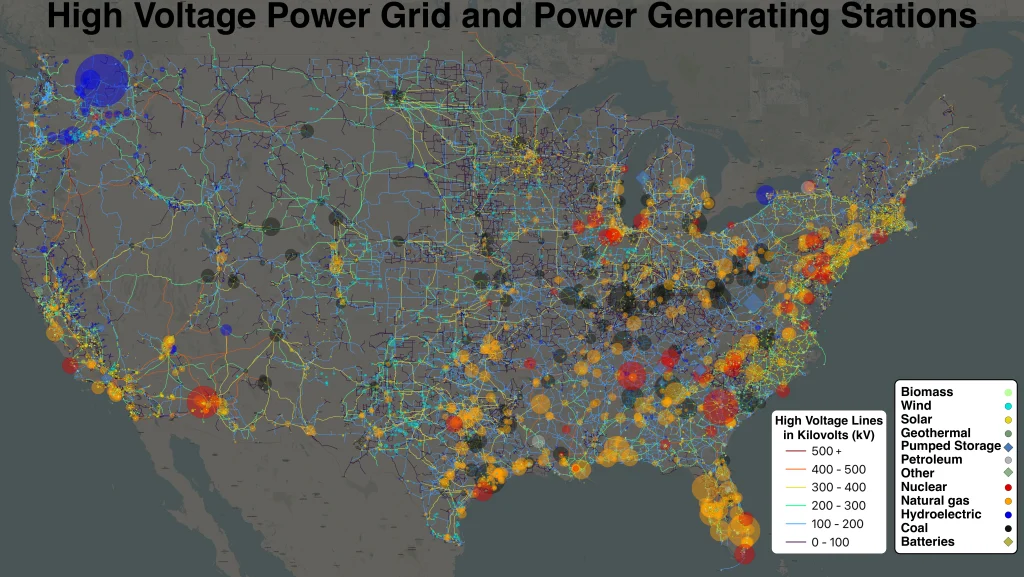
The U.S. electrical grid, one of the largest and most complex systems ever built, is at a critical juncture. As demand continues to surge and the frequency of extreme weather events rises, the grid is operating at its limits. This situation presents unprecedented challenges for utilities and energy managers. The question remains: how can we leverage cutting-edge technology, particularly artificial intelligence (AI), to revitalize and modernize this crucial infrastructure?
Today, the grid faces pressure from two primary sources:
- A rapid increase in electricity demand, particularly driven by data centers and AI technologies.
- A shift toward renewable energy sources that are inherently unpredictable.
The sheer volume of data generated by modern sensors and smart meters necessitates instantaneous analysis. Unfortunately, human operators find themselves overwhelmed and unable to keep pace. Enter AI, a transformative technology that promises to revolutionize how we manage power systems.
The intensity of the challenges is staggering. For example, Texas is witnessing an influx of connection requests that could add 220 gigawatts to its power grid—largely fueled by the demands of AI and cloud-computing facilities. This shift not only strains existing resources but also complicates the integration of renewable energy sources like solar and wind, which fluctuate based on weather conditions. Moreover, as the grid’s digital architecture evolves, it becomes increasingly susceptible to cyberattacks, posing risks that can have disastrous consequences.
AI Power Grid Modernization: The Path Forward
To tackle these issues, experts agree that the grid must become more intelligent, agile, and automated. This transformation hinges on the integration of AI at every operational level. The traditional methods of grid planning are simply not equipped to manage the rapid dynamics of modern energy demands. With the capacity to process immense datasets in real time, AI emerges as a critical player in achieving a self-healing grid that can predict and resolve issues before they escalate.
For instance, AI algorithms can analyze data from smart meters and sensors across the grid to identify patterns and anomalies. This allows for proactive maintenance, which can significantly reduce outages and improve service reliability. In addition, AI can optimize the dispatch of energy resources, ensuring that power generated from renewable sources is efficiently utilized, thus reducing waste and lowering costs.
Real-World Applications of AI in Energy
Real-world applications of AI in the energy sector show immense promise. These include:
- Forecasting energy demands and managing supply from renewable sources.
- Performing predictive maintenance on physical infrastructure.
AI technologies can enhance the reliability and efficiency of the grid. A recent McKinsey & Co. study revealed that incorporating advanced data and automation could:
- Halve equipment downtime.
- Extend machinery lifespan by up to 40%.
These statistics underscore the importance of AI integration. For example, companies like Siemens and GE are already deploying AI-driven predictive maintenance tools that monitor equipment health in real time, allowing them to schedule repairs before failures occur. This proactive approach not only saves money but also improves safety and service reliability.
Educational Initiatives for AI and Smart Grid Technology
Recognizing the pressing need for a workforce adept in both power systems and data science, IEEE has stepped up to the plate. In collaboration with the IEEE Power & Energy Society, they have launched an online course titled “Artificial Intelligence for Power and Energy Systems.” This program is designed to prepare professionals for the unique challenges posed by the modernization of the grid.
Course Structure
The course is thoughtfully structured into five modules, each addressing key aspects of AI’s application in energy systems:
- AI Fundamentals: This module lays the groundwork for understanding machine learning models applicable to power grids. Participants learn how specialized neural networks tackle complex power flow calculations and transition from simulation to real-world applications.
- Accelerating Grid Control: Focusing on deep reinforcement learning, this section teaches learners how to automate grid adjustments during emergencies through trial-and-error learning.
- Forecasting and Data Analytics: Engineers gain skills in predictive modeling to anticipate energy surges and price fluctuations, ensuring affordable and reliable power delivery.
- Physics-Informed and Safe AI: Here, the course emphasizes the importance of developing AI models that adhere to the laws of physics, thereby mitigating risks associated with erratic algorithmic choices.
- Generative AI and Next-Generation Tech: This module explores advanced technologies like graph neural networks and large language models, demonstrating how generative AI can streamline utility planning and emergency responses.
The implications of these educational efforts extend far beyond individual learning. By equipping power system engineers and utility managers with algorithmic literacy and practical skills, IEEE aims to foster a resilient and responsive grid capable of navigating the complexities of modern demand.
As we stand on the precipice of this transformation, the role of AI in the energy sector is no longer a theoretical discussion; it’s an operational imperative. For anyone interested in getting involved, the IEEE Learning Network provides access to the course, offering both individual and organizational options to suit various needs.
FAQs
- What is the main objective of the IEEE course on AI and power grids?
The course aims to educate professionals on how to effectively integrate AI into power systems to enhance grid reliability, efficiency, and resilience. - Who can benefit from this program?
Power system engineers, utility managers, and data scientists looking to modernize the energy grid will find this program particularly valuable. - How does AI improve power grid management?
AI allows for real-time data processing, predictive maintenance, and automated adjustments, which together enhance grid performance and reliability.