AI for Power Grids: Transforming Energy Management Today
Discover how AI for power grids is revolutionizing energy management. Learn about the IEEE course empowering professionals for modern power systems.
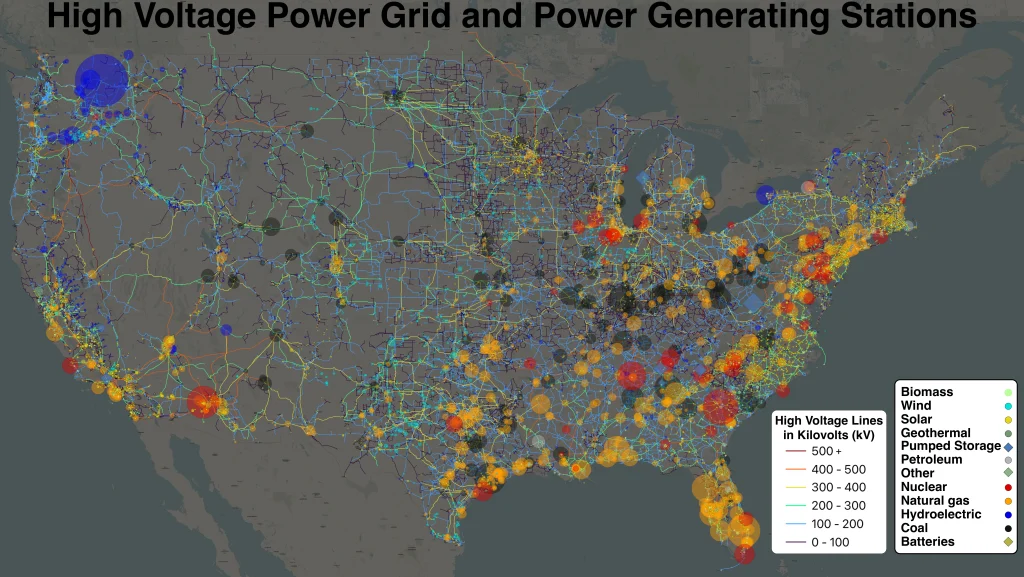
The electrical grid, a marvel of engineering, is now facing challenges that threaten its very stability. As we navigate an era marked by rapid industrial growth, extreme weather events, and an unprecedented surge in electricity demand, the need for modernization is clearer than ever. Enter artificial intelligence (AI), a technology that promises to reshape how we manage our power systems. The IEEE has stepped into this critical juncture by launching a course aimed at equipping professionals with the knowledge to harness AI for modernizing power grids.
As the U.S. Department of Energy indicates, our electrical grid is operating at its limits. Traditionally designed to support predictable energy demands from centralized coal or gas plants, it now must contend with the unpredictable influx of renewable energy sources and the ever-growing demand from data centers and AI operations. The vast amounts of data generated by millions of sensors and smart meters present a daunting challenge—one that human operators simply cannot manage alone.
The increased dependency on AI tools is not just a luxury; it has become a necessity. Traditional grid-planning methods are proving insufficient as energy dynamics become more rapid and less predictable. To bridge this gap, the IEEE has partnered with its Power & Energy Society to create an online course that prepares engineers and utility managers to effectively integrate AI into their operations.
The AI Imperative for Power Grids
AI is no longer a futuristic concept; it has emerged as an operational cornerstone for modern power systems. Experts argue that machine learning algorithms can analyze data from thousands of sensors, historical usage patterns, and weather forecasts almost instantaneously. This capability allows for proactive measures, such as forecasting energy spikes or fixing localized voltage drops, akin to a self-healing grid.
The pressing need for AI in energy management is underscored by real-world examples. For instance, a staggering 220 gigawatts of new connection requests have overwhelmed Texas’s largest power transmission utility, primarily driven by the energy demands of AI and cloud-computing facilities. Such pressures highlight the urgent need for a workforce skilled in both power systems and data science. Moreover, the integration of AI in these environments can lead to optimized energy consumption, reduced operational costs, and enhanced grid reliability.
Modernizing Electrical Grids: Upgrading the Workforce
The IEEE course, titled “Artificial Intelligence for Power and Energy Systems,” is designed to prepare a new generation of power engineers and data scientists. It emphasizes safety, asset preservation, and reliability in integrating AI into grid systems. The course is structured around five comprehensive modules aimed at blending high-level theory with hands-on solutions.
1. AI Fundamentals
This module introduces engineers to the basics of machine learning and its application to power grids. It covers how specialized neural networks can solve complex power-flow calculations and ensure safe transitions from simulations to physical systems. Understanding these fundamentals is crucial for professionals who will be tasked with implementing AI solutions effectively.
2. Accelerating Grid Control
Learners explore deep reinforcement learning techniques, which utilize trial and error to automate grid adjustments in emergency power events. This innovative approach could significantly enhance grid resilience during crises, such as natural disasters or sudden equipment failures. By automating these responses, utilities can minimize downtime and maintain service continuity for consumers.
3. Forecasting and Data Analytics
This module equips engineers with predictive modeling techniques to anticipate sudden demand surges and fluctuations in renewable energy output, thereby helping to stabilize electricity prices and availability. For example, during peak usage times, AI can analyze patterns to predict when and where energy demand will spike, allowing utility companies to adjust their supply proactively.
4. Physics-Informed and Safe AI
One of the main barriers to AI adoption in utilities is trust. This course segment focuses on developing AI models that adhere to the laws of physics, ensuring that automated systems do not make erratic decisions that could jeopardize grid integrity. By instilling confidence in these AI systems, utility companies can more readily adopt these technologies.
5. Generative AI and Next-Generation Tech
The final module introduces learners to cutting-edge technologies, like graph neural networks, demonstrating how generative AI can streamline utility planning and emergency responses. This is crucial as we face increasingly complex energy landscapes. With the rise of electric vehicles and decentralized energy resources, the ability to adapt quickly and efficiently is paramount.
The knowledge and skills imparted through this course will be essential for transforming systemic risks into grid resilience. By bridging the gap between AI research and field deployment, the IEEE is cultivating a workforce ready to tackle the challenges of the modern energy landscape. As we continue to embrace renewable energy sources, the role of AI will only grow, offering innovative solutions to optimize performance and sustainability.
Takeaways and FAQs
What is the main goal of the IEEE course?
The course aims to equip power system engineers and data scientists with the skills necessary to integrate AI into modern utility operations, ensuring reliable and efficient energy management.
How does AI improve the management of power grids?
AI enhances grid management by processing vast amounts of data in real-time, predicting issues, automating responses, and maintaining system reliability amidst increasing complexity.
Who should consider taking this course?
Power engineers, utility managers, and data scientists looking to modernize energy systems and enhance their operational capabilities should consider enrolling in the course.
Where can I find more information about the course?
For individual access or organizational options, visit the IEEE Learning Network to explore the course further.