
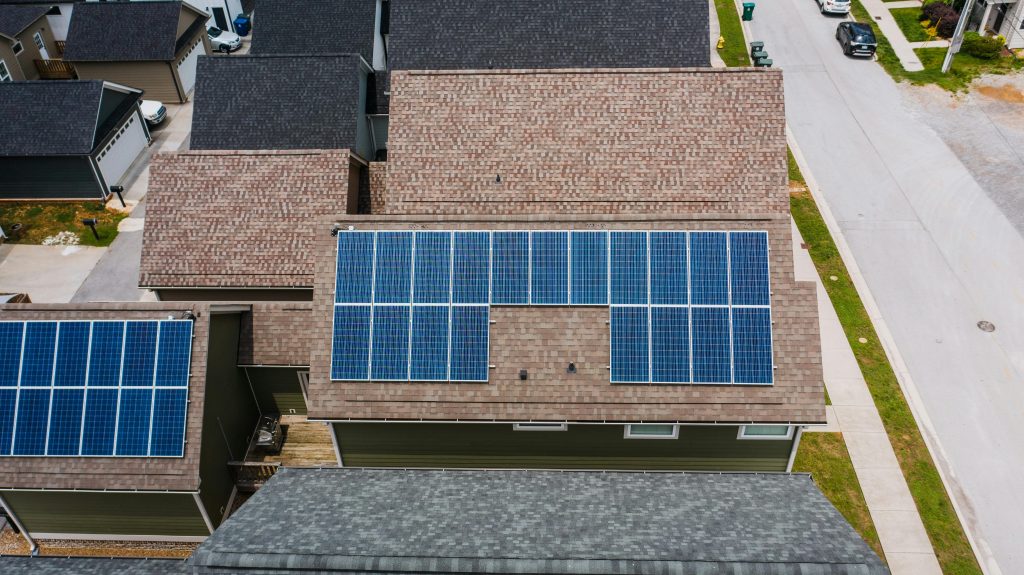
How Solar Panels Can Cut Your Energy Bills in Half
Electricity bills in the U.S. are rising every year, and most homeowners are feeling the pressure. The good news! Solar panels are no longer a luxury — they’re a smart financial solution. For many Americans, installing solar panels has reduced monthly energy bills by 40% to 70%.
Here’s exactly how solar panels can cut your energy bills in half — and sometimes even more.
1. You Generate Your Own Electricity
When you install solar panels, your home starts producing its own power from sunlight.
That means:
- Less electricity pulled from the grid
- Lower monthly utility bills
- Protection from future rate hikes
- Every kilowatt-hour you produce is money you don’t pay to the power company.
2. Net Metering Credits Reduce Your Bill Further
Many U.S. states offer net metering.
How it works:
- Your solar panels produce extra electricity
- That power is sent back to the grid
- Your utility company gives you bill credits
- These credits can dramatically reduce your monthly bill — even to $0 in some months.
3. Peak Energy Use Happens When Solar Produces Most
Most households use the most electricity during the day:
- Air conditioning
- Appliances
- Electronics
- That’s exactly when solar panels produce the most power.
Result? You offset your highest-cost energy usage with free solar energy.
4. Solar Panels Work Even on Cloudy Days
A common myth is that solar panels only work in full sunlight.
Reality:
- Modern panels work in cloudy weather
- They still produce energy in winter
- Efficiency has improved significantly
- This makes solar effective in many U.S. states — not just sunny ones like California or Texas.
5. Federal and State Incentives Lower Your Cost
The U.S. government offers powerful incentives:
- Federal Solar Tax Credit (ITC)
- tate rebates and local programs
- Solar-friendly financing options
- Lower upfront costs = faster savings and quicker bill reduction.
6. Solar Protects You From Rising Energy Prices
Utility rates increase over time — solar doesn’t.
Once your system is installed:
- Your energy costs stay predictable
- Your savings increase every year
- Inflation has less impact on your budget
- Solar acts like a fixed-rate energy plan for decades.
7. Real Example: Average U.S. Homeowner
An average American home:
- Monthly bill before solar: $150–$200
- Monthly bill after solar: $60–$100
- Annual savings: $800–$1,500
- Over 20–25 years, that adds up to tens of thousands of dollars.
Is Solar Right for Your Home?
Solar works best if:
- You own your home
- Your roof gets good sunlight
- Your electricity bills are high
- Even renters can benefit through community solar programs in some states.
Final Thoughts
Solar panels don’t just lower energy bills — they change how you pay for power. Instead of paying utilities forever, you invest once and save for decades.
If your goal is to cut energy bills in half, solar panels are one of the most effective solutions available in the U.S. today.